
Climate Misinformation
Curious Minds, Resilient Futures
For the generation inheriting the climate crisis, the truth was always going to be hard to hear. What no one anticipated was how hard it would be to find.
Supporting young people to navigate an increasingly complex media landscape with confidence, curiosity and hope.
The Issue
Young people today are growing up in a world saturated with information
Yet much of what they encounter about the climate crisis, politics, economics, AI, and democracy is confusing, misleading, or overwhelming. From social media to news headlines, it can be difficult to know what to trust, what matters most, and where they can make a difference.
This uncertainty can leave young people feeling anxious, disengaged, or powerless at a time when their voices and actions matter more than ever. when young people can't tell truth from manipulation, disengagement becomes part of the crisis. Curious Minds, Resilient Futures, is our response.
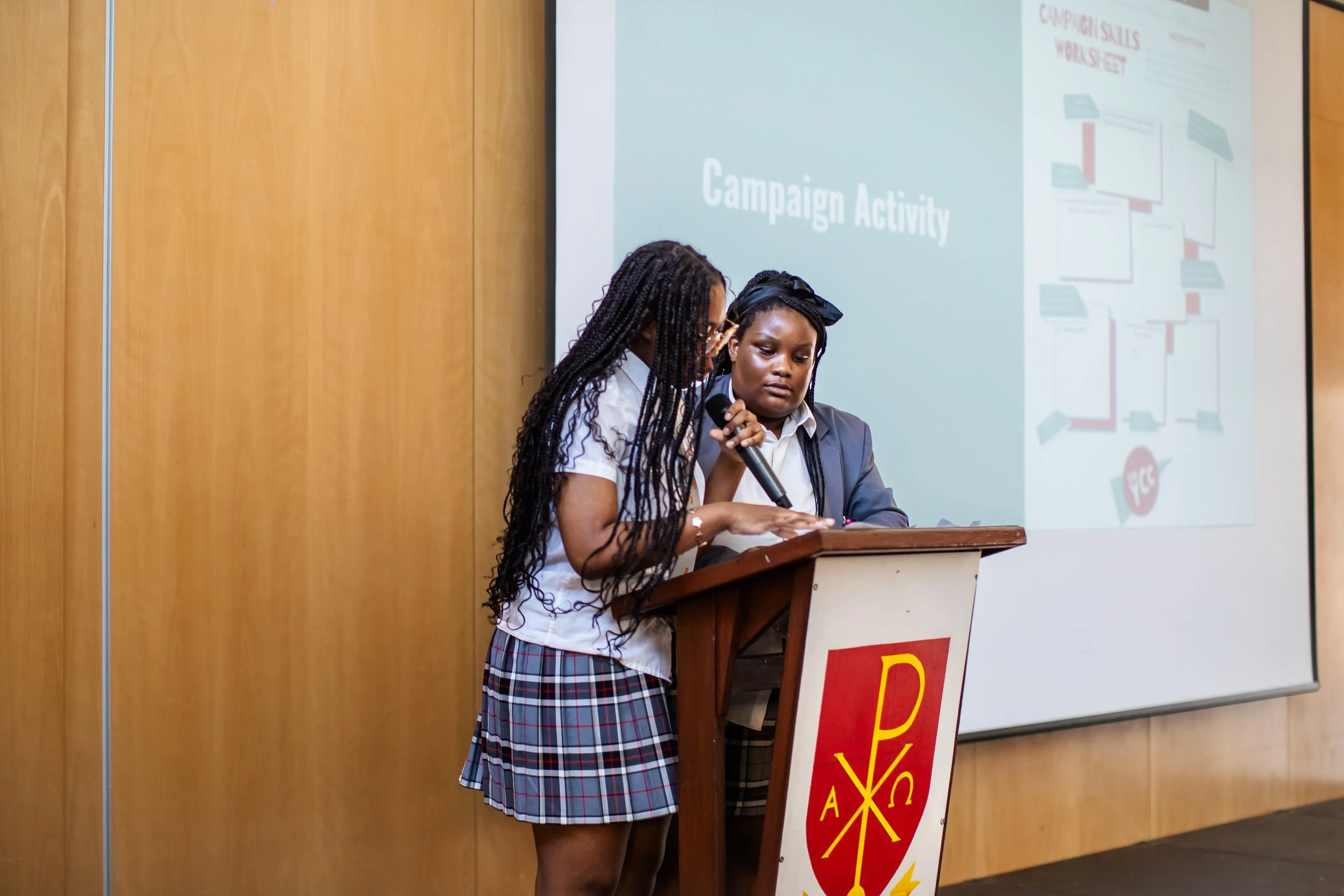
Through engaging, curriculum-linked workshops, young people explore how information is created, shared and sometimes distorted, while developing the confidence to question, reflect and respond constructively.
Crucially, we’ll also creates space for discussion, helping participants process anxiety or overwhelm around these issues and recognise their ability to make a difference.
About the Programme
Young people will:
Explore how misinformation spreads, how emotional manipulation works, and why certain narratives travel so far using real climate content as a case study. Moving from confusion and disbelief towards a more critical understanding.
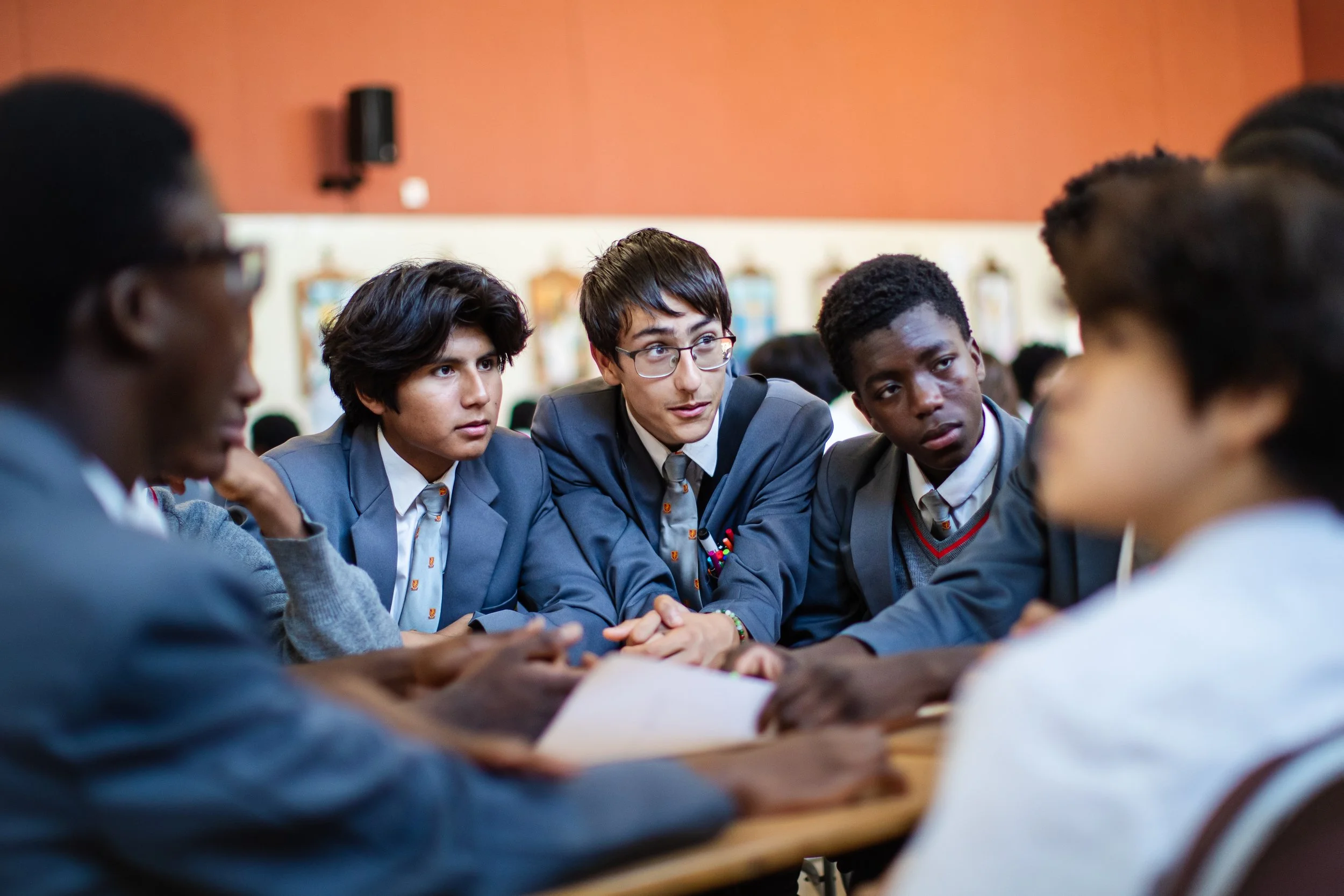
Working in teams, students investigate a climate-related topic, tracing evidence, checking sources and asking whose interests are served by falsehood.
Test their own ideas in a debate, presenting their conclusions to peers, before receiving feedback. Leaving not just with a more critical understanding of misinformation, but having used their voice to advocate for the kind of change they want to see.
How does the programme work?
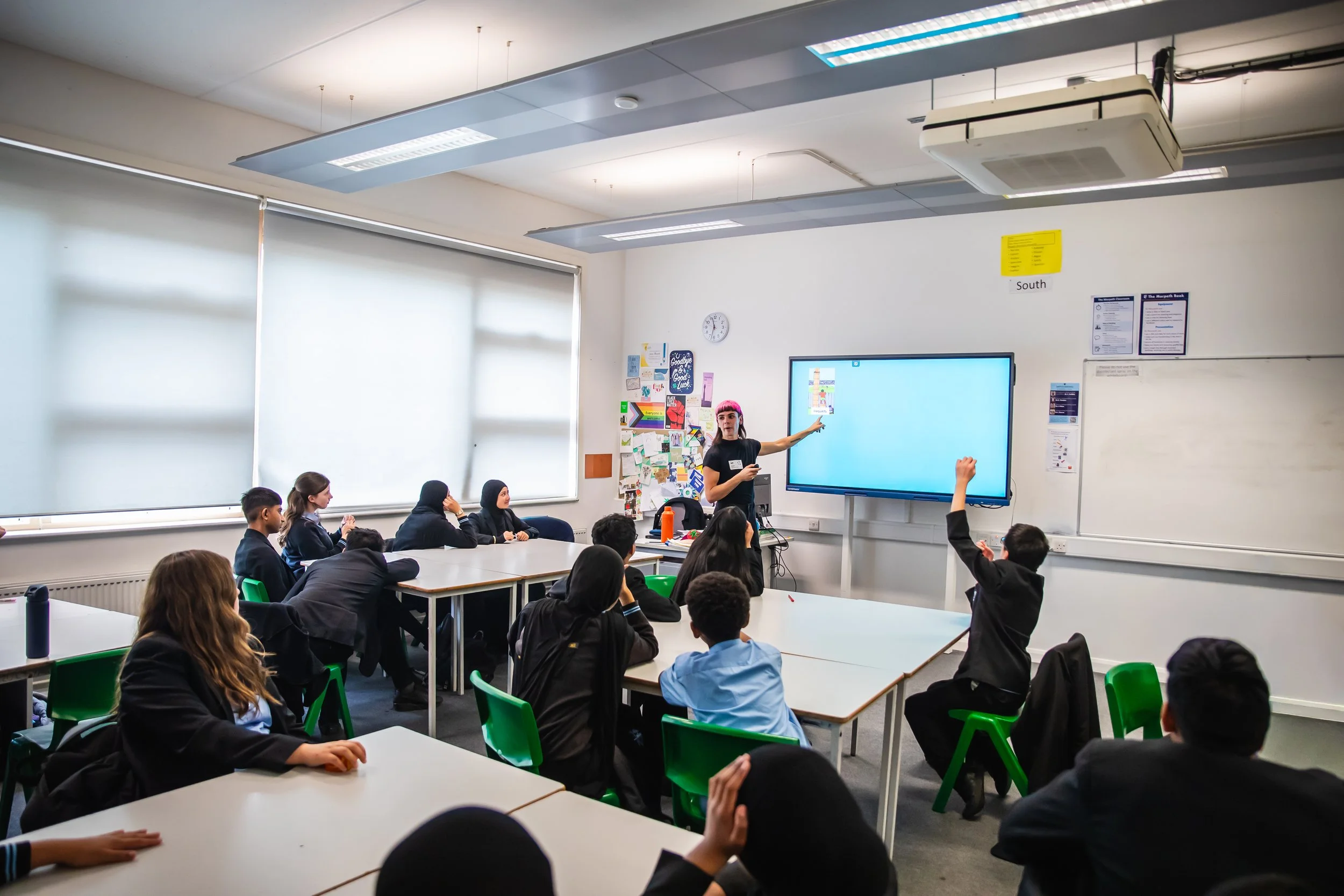
The programme is delivered through three flexible sessions, designed to work as a series of lessons across one day or across several days. It requires zero preparation from your team and is delivered in full by our faciliators with expert panellists joining the final session.
We’re currently running this programme in-person throughout London. Get in touch to find out more!
Three-part workshop, designed to fit your timetable
Flexible delivery across one day, several days or as an Eco/Green Club activity
Curriculum links to English, Media, Geography, PSHE, citizenship and the wider curriculum
Zero prep required from your team
Delivered in full by our team, with expert panellists
Free to your school
The need?
Why’s this programme needed?
We’ve done the research… the full report’s coming soon!
96%
Of young people failed to identify that a climate information website had links to the fossil fuel industry
72%
Of parents worry their child cannot tell real from fake information online
59%
Of young people reported being very or extremely worried about climate change
What teachers and young people are saying…
"Climate change worries me, but so does AI misinformation - how many people now form opinions from a single social media post."
- YOUNG PERSON, ON A GENEARTH PROGRAMME
“Misinformation is becoming so prominent and embedded in students' thinking.”
- SECONDARY HEAD TEACHER, WORKING WITH GENEARTH
“The increased focus on media literacy is very welcome. Given how much the media landscape has expanded, it is essential that students learn how to navigate it critically. From a science perspective, media literacy can be understood as a form of “peer review” for everyday information.
- HEAD OF SCIENCE, WORKING WITH GENEARTH
The Impact
What do young people gain?
We’re so proud of the change we’ve been able to effect with the wonderful young people we’ve worked with. We can wait to see what happens next!
Clarity
Understand how digital manipulation shapes the stories they're told.
Confidence
Speak up, present ideas, and defend a position with their peers.
Agency
The permission, tools, and space to turn their ideas into action.
Conviction
Connect personal values to the issues that matter most to them.
Discernment
Question what they see and decode the tactics behind misleading content.
Book the Programme
for your school
GenEarth in your school
Get in touch with your details and be the first book this programme for your school.
Complete this short form, and one of our team will get back to you for a chat, and to answer any questions you may have. We look forward to speaking!
Frequently Asked Questions
Have questions?
-
We currently deliver our programmes in-person throughout London schools and community settings, more locations to come as we grow! If you’re outside of London, we can definitely host an online workshop for you.
-
As a pilot, we are currently able to offer this workshop for free in exchange for teacher and student feedback.
-
We do not give young people a checklist. We build the critical thinking skills to interrogate what they are being told, to ask who is saying it, why, what evidence sits behind it and whose interests it serves. Those skills apply far beyond the climate crisis.
-
Please notify us ASAP to make any changes to your booking. Please note if you cancel a workshop within two working days of the workshop delivery date we will have to apply a charge. Please contact info@genearth.uk for further information.
-
Teachers are required to be present throughout the duration of the workshop to support the students, to ensure all the AV equipment is set up in advance and to print a small amount of worksheets.
-
Climate misinformation does not exist in isolation. Young people are navigating an information landscape that is, at best, overwhelming and at worst, deliberately misleading across climate, politics, health and social justice. The volume of conflicting narratives and the sophistication with which misinformation is produced makes it genuinely difficult to know what to trust.
In the context of the climate crisis, misinformation ranges from outright denial to subtler forms of doubt-seeding and greenwashing. It does not just confuse. It paralyses. That is why media literacy and critical thinking are not add-ons to our programmes. They are central to everything we do.