
Media Literacy, Misinformation and Climate Education
We built our brand new programme, Curious Minds, Resilient Futures, because of what we were witnessing first hand in the classroom with young people. The undeniable impact of climate misinformation on young people’s ability to engage with the climate and nature crisis, and the impact this can have on their futures.
We commissioned a research report, written by the wonderful Julia Wynter, exploring media literacy, misinformation and climate education, and building the evidence base for a more integrated approach for young people.
We’ve shared an excerpt form the report below, but you can…
Why this matters
Young people are on the frontline of two major risks facing society: a polluted information environment and a destabilising climate crisis.
The evidence makes a strong case for addressing these challenges together. While young people may be highly confident using digital platforms, research consistently shows significant gaps in their ability to identify false, manipulated or AI generated content. At the same time, the tools used to create and spread misinformation are becoming increasingly sophisticated and accessible.
For young people, exposure to misinformation can affect trust, civic engagement and mental health. Preventative education that builds media literacy before misinformation takes hold is therefore particularly important.
Climate change sits at the intersection of these challenges. Climate misinformation has evolved beyond outright denial towards more subtle narratives that undermine confidence in solutions, institutions and the possibility of action. Young people are also experiencing significant climate anxiety, with the quality of the information environment around them playing a role in how they understand and engage with the crisis.
Teaching climate literacy without media literacy leaves young people without the tools to critically evaluate what they are being told. Teaching media literacy without a climate lens misses one of the most consequential forms of information disorder they will encounter.
Yet in the UK, these areas remain largely fragmented, with media literacy and climate education often operating in parallel. With curriculum reforms on media literacy confirmed for 2028, there is an important window to build the resources, teacher support and programmes needed to bring these approaches together.
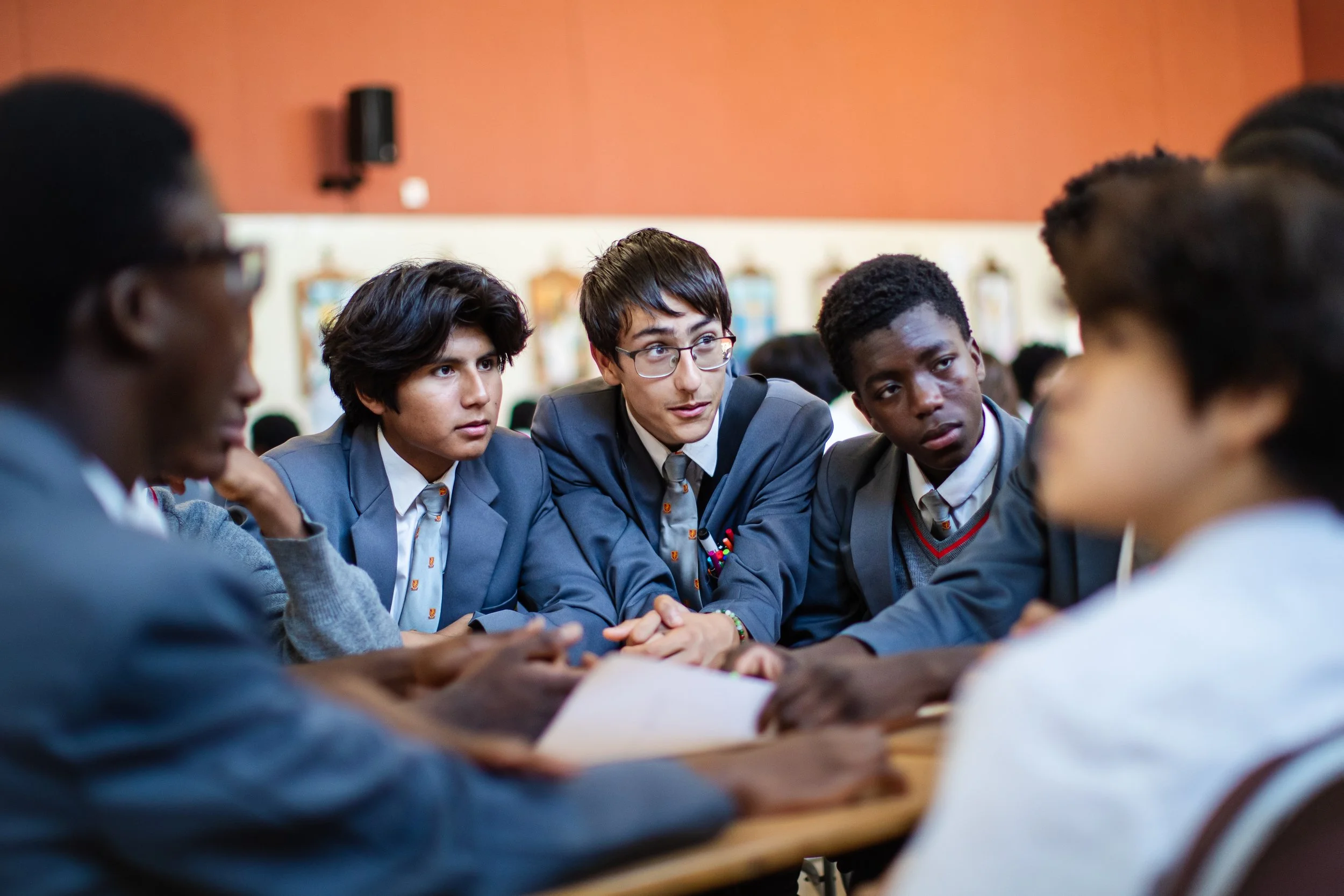
Students at a South London secondary school, partaking in our Climate Justice programme.
The case in numbers
→ 35% of UK children aged 8 to 17 believe that all or most of what they see on social media is accurate and true. Ofcom, 2025
→ 96% of students failed to identify that a climate information website had links to the fossil fuel industry, despite this information being available through a simple web search. Breakstone et al., 2021
→ 70% of climate denial claims on YouTube now take the form of climate delayism rather than outright denial. Centre for Countering Digital Hate, 2024
→ 70% of primary teachers report insufficient time to address pupils’ climate concerns in school. Greenpeace UK, 2025
This evidence base underpins our approach through Curious Minds, Resilient Futures: bringing media literacy and climate education together to support young people to critically navigate the information environment around them and engage meaningfully with the climate and nature crisis.